Thank you for submitting your form!

We appreciate your interest and will review your information as soon as possible.

Our team is dedicated to providing excellent customer service, and we will do our best to respond promptly.

Dynamic HD® Lubes

7 products

Showing 1 - 7 of 7 products

Showing 1 - 7 of 7 products
View

Industrial Lubrication, Penetration, and Friction Control Solutions – Technical FAQ

This collection includes lubrication and friction-control products used to reduce wear, improve mechanical movement, aid penetration, and support metalworking and maintenance operations across industrial and facility environments.

Lubricant Types & Functional Differences

This section explains how different lubricant types are designed to function in mechanical systems.

What is the difference between a lubricating oil and a penetrating lubricant?

Lubricating oils are designed to remain in place and reduce friction between moving components. Penetrating lubricants are formulated with lower viscosity to migrate into tight clearances and loosen seized or corroded parts. Their purposes are complementary but not interchangeable.

What are the primary categories of industrial lubricants?

Industrial lubricants are commonly classified as oils, greases, dry-film lubricants, and solid lubricants. Each category serves different load, temperature, and contamination requirements. Selection depends on operating environment and mechanical demands.

Are all lubricants suitable for long-term friction control?

Not all lubricants are designed for extended service intervals. Some products prioritize penetration or cleaning over lasting film strength. Lubricant retention and durability depend on formulation and application conditions.

What defines a multipurpose lubricant?

A multipurpose lubricant provides moderate lubrication, moisture displacement, and corrosion protection across a range of applications. It is intended for general maintenance rather than specialized operating conditions. Performance is balanced rather than optimized for a single function.

Dry, Silicone, and Solid Lubrication Systems

This section covers lubrication systems that do not rely on wet oil films.

What is a dry silicone-based lubricant?

Dry silicone lubricants deposit a thin, low-friction film after the carrier evaporates. This film reduces friction without leaving an oily residue. These systems are often used where cleanliness or dust resistance is important.

Will silicone-based lubricants dry out over time?

The carrier solvents evaporate, leaving behind a stable silicone film. While the film does not evaporate, it can wear away under mechanical stress. Reapplication frequency depends on load and movement.

What is the difference between wet and dry silicone sprays?

Wet silicone sprays leave a lubricating oil film, while dry silicone sprays leave a non-oily coating. Dry films attract less dust and debris. Wet formulations provide greater short-term lubrication under load.

What are the limitations of solid or dry lubricants?

Dry and solid lubricants generally offer lower load-carrying capacity than greases or oils. They are less effective in high-impact or high-speed applications. Their advantage lies in cleanliness and temperature stability.

High-Temperature and Graphite-Based Lubrication

This section addresses lubrication under elevated temperature or extreme conditions.

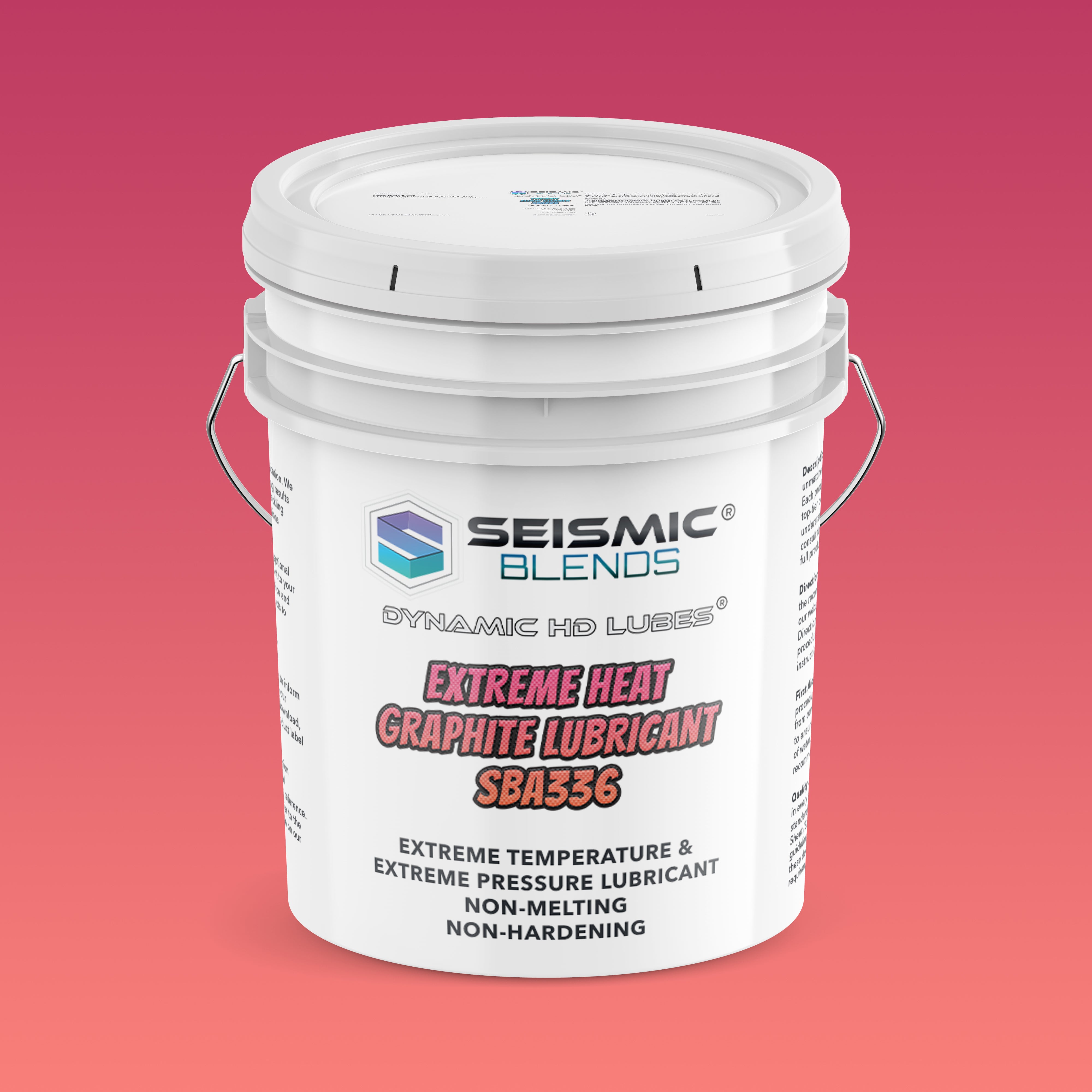
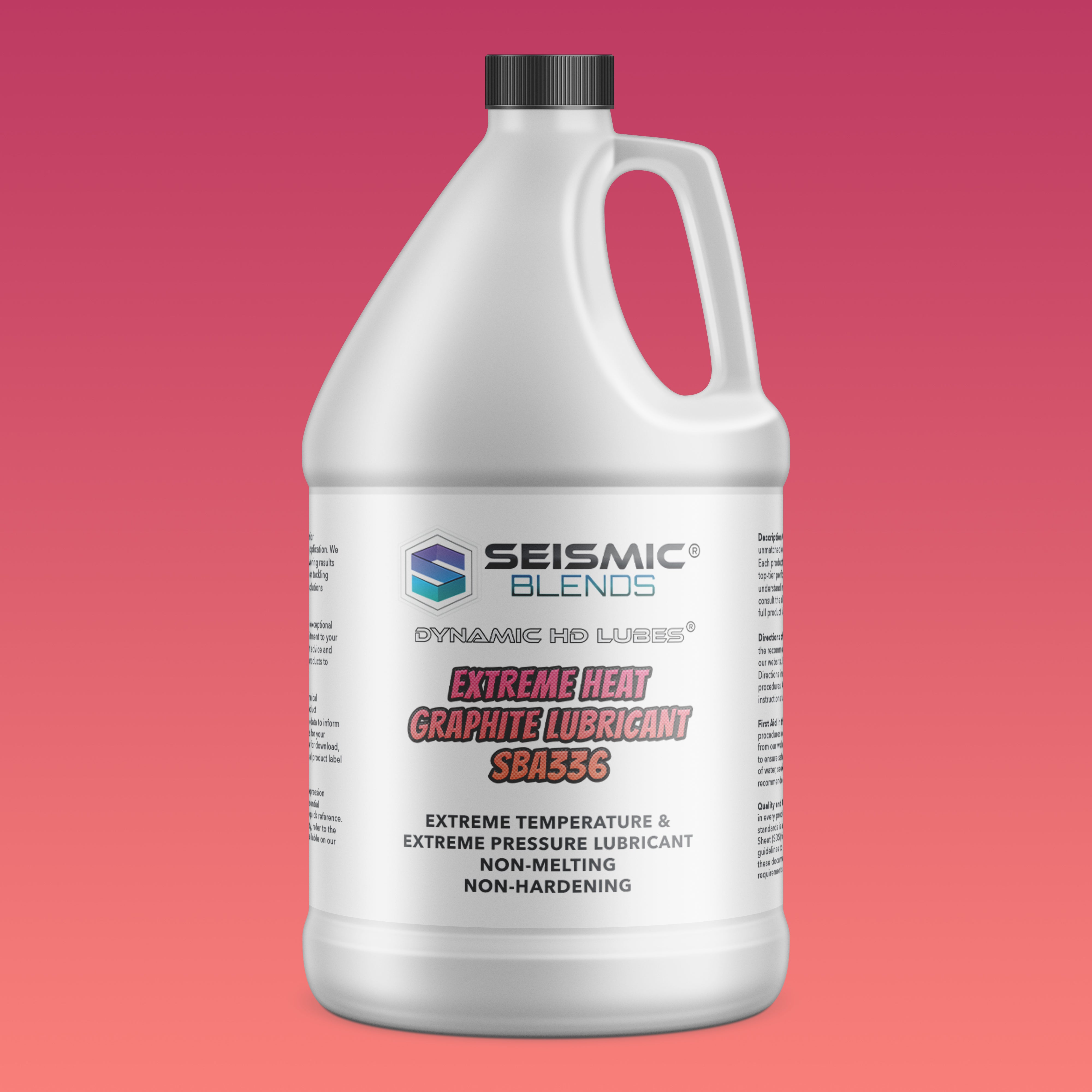
How does graphite function as a lubricant?

Graphite lubricates by allowing layered carbon structures to slide over one another. This mechanism remains effective at temperatures where oils degrade. It is commonly used in high-temperature or low-moisture environments.

What temperature ranges are graphite lubricants suited for?

Graphite lubricants can function at temperatures far exceeding conventional oil limits. Actual performance depends on formulation and carrier type. They are often selected for furnaces, locks, or metal processing equipment.

What are disadvantages of graphite lubrication?

Graphite can be messy and may stain surrounding surfaces. It is not suitable for clean-room or precision equipment. In some environments, it can also promote abrasion if contaminated.

When should graphite be avoided?

Graphite is generally avoided in wet environments or where oil-based lubrication is required. It may also interfere with electrical components. Application suitability depends on system design.

Metalworking, Cutting, and Machining Applications

This section focuses on lubrication during cutting and forming operations.

What role do lubricants play in metal cutting?

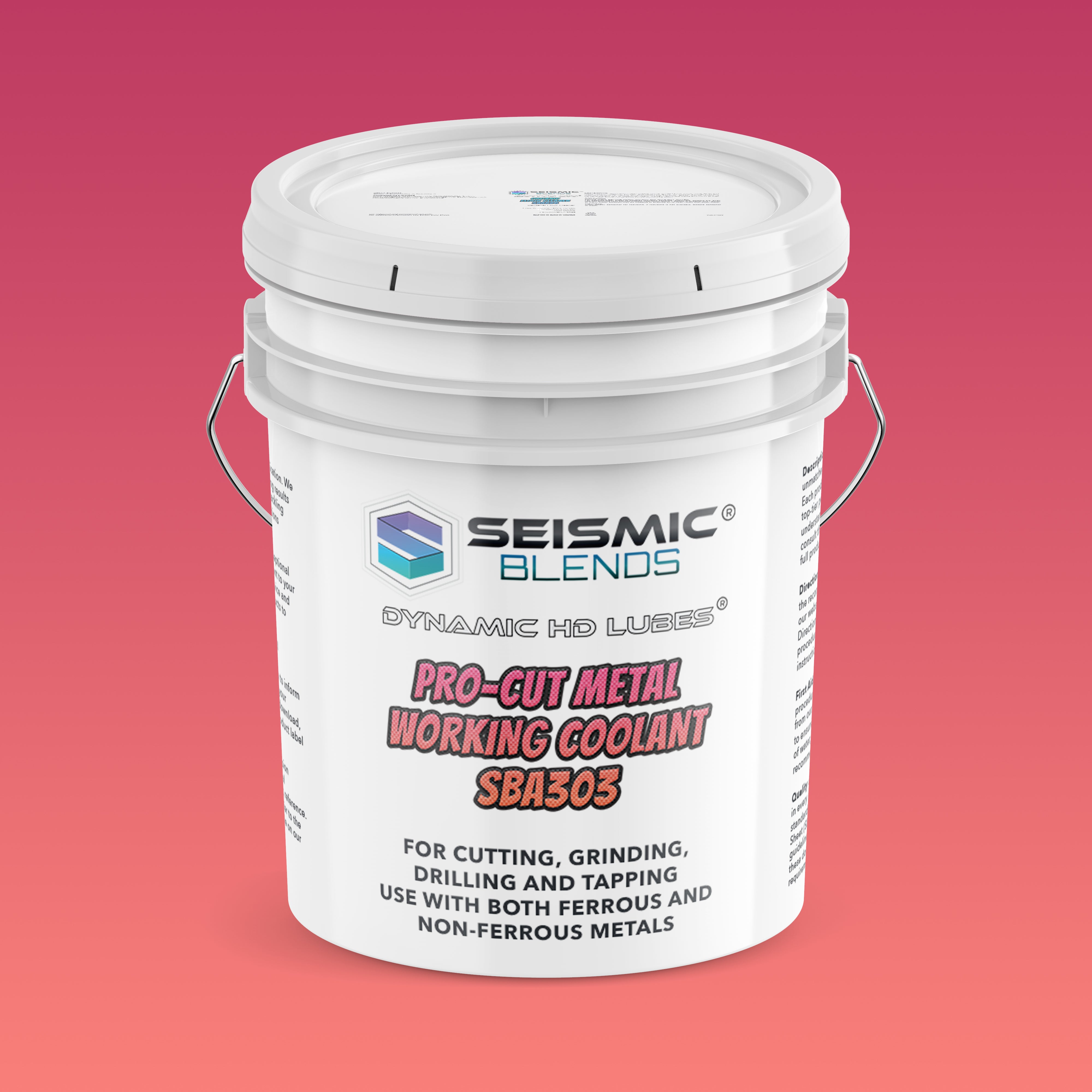
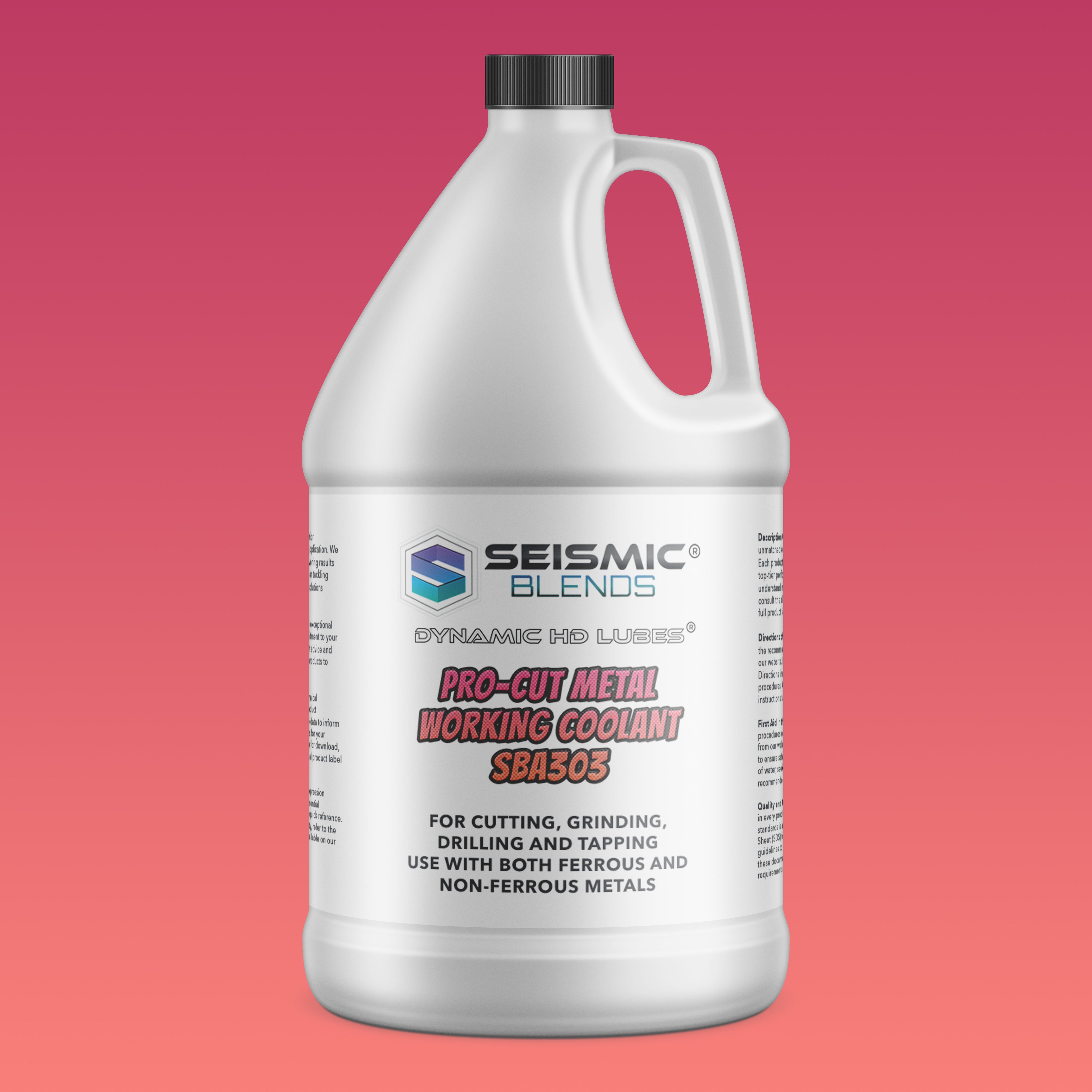
Metalworking lubricants reduce friction and heat at the tool-workpiece interface. This improves surface finish and tool life. They also assist with chip removal during machining.

Are penetrating oils suitable as cutting fluids?

Penetrating oils are not designed to provide sustained cooling or lubrication under cutting loads. They may offer short-term benefit in light operations but are not substitutes for cutting fluids. Proper metalworking lubricants are preferred.

What alternatives exist to traditional cutting fluids?

Alternatives include synthetic lubricants, mist-applied lubricants, and dry-film systems depending on operation type. Selection depends on material, cutting speed, and equipment design. Environmental and cleanup considerations may also influence choice.

Can general-purpose lubricants be used for machining?

General-purpose lubricants are not optimized for cutting forces or heat generation. They may increase wear or reduce precision. Machining operations typically require purpose-formulated products.

Application Selection & System Considerations

This section addresses how professionals evaluate lubrication needs.

How is the correct lubricant selected for an application?

Selection depends on load, speed, temperature, environment, and material compatibility. No single lubricant performs optimally across all conditions. Matching lubricant properties to system demands is critical.

Is more lubrication always better?

Excess lubrication can attract contaminants or interfere with mechanical tolerances. Proper quantity and placement are as important as lubricant type. Over-lubrication can reduce system efficiency.

Do lubricants also provide corrosion protection?

Many lubricants offer secondary corrosion inhibition by displacing moisture or forming protective films. The level of protection varies by formulation. Corrosion resistance should not be assumed unless specified.

Can different lubricant types be mixed?

Mixing lubricants can lead to incompatibility, separation, or performance loss. Different base oils or additives may react negatively. Compatibility should be confirmed before combining products.

Recently viewed