Higher chemical strength does not always equate to better results. Excessively aggressive products can damage substrates or coatings without improving soil removal. Effective degreasing relies on matching chemistry to the application.
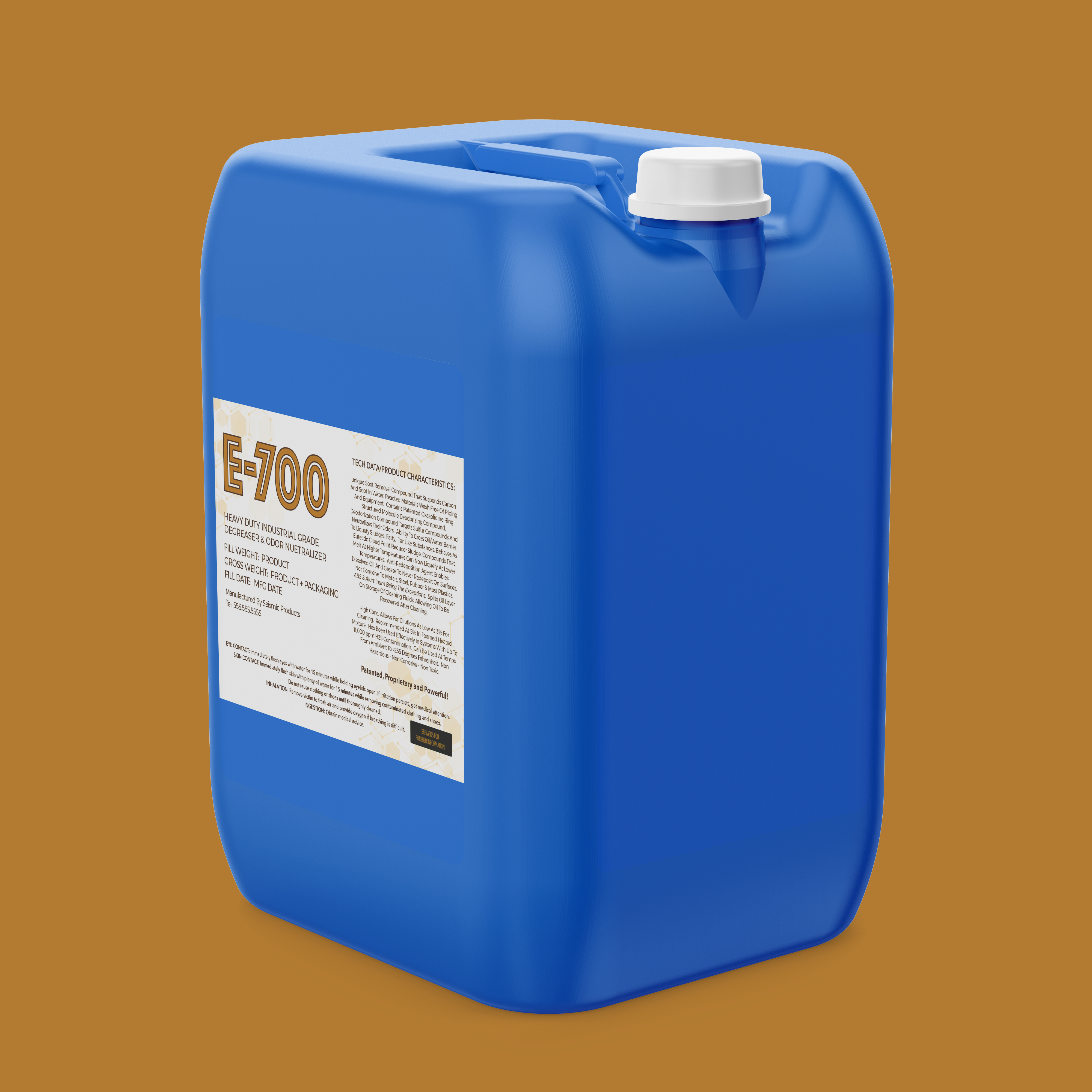
Industrial degreasers are used to remove oils, greases, lubricants, and hydrocarbon-based soils from machinery, tools, floors, and structural surfaces. They are designed for heavier contamination than household cleaners. Performance depends on soil type and formulation chemistry.
Industrial grease is typically dissolved using solvent action, high-alkaline surfactant systems, or emulsifying chemistry. The most effective approach depends on whether the grease is petroleum-based, animal fat, or polymerized residue. No single chemistry is ideal for all grease types.
Industrial degreasers are commonly categorized as solvent-based, alkaline water-based, citrus-based, or specialty emulsifiers. Each type targets different soil characteristics and surface requirements. Selection is driven by contamination severity and material compatibility.