Thank you for submitting your form!

We appreciate your interest and will review your information as soon as possible.

Our team is dedicated to providing excellent customer service, and we will do our best to respond promptly.

Ghana

Activ8 AE® Aqua Essentials

14 products

Showing 1 - 14 of 14 products

Showing 1 - 14 of 14 products
View

Water Clarity, Flow Control, and System Tracing Solutions – Technical FAQ

This collection includes products used to manage water clarity, control foam, improve flow conditions, and support system visibility through tracer and diagnostic treatments in operational water systems.

Clarification, Flocculation & Water Appearance

How clarification and flocculation processes improve water clarity, manage suspended solids, and enhance system performance.

What is the purpose of flocculants in water treatment?

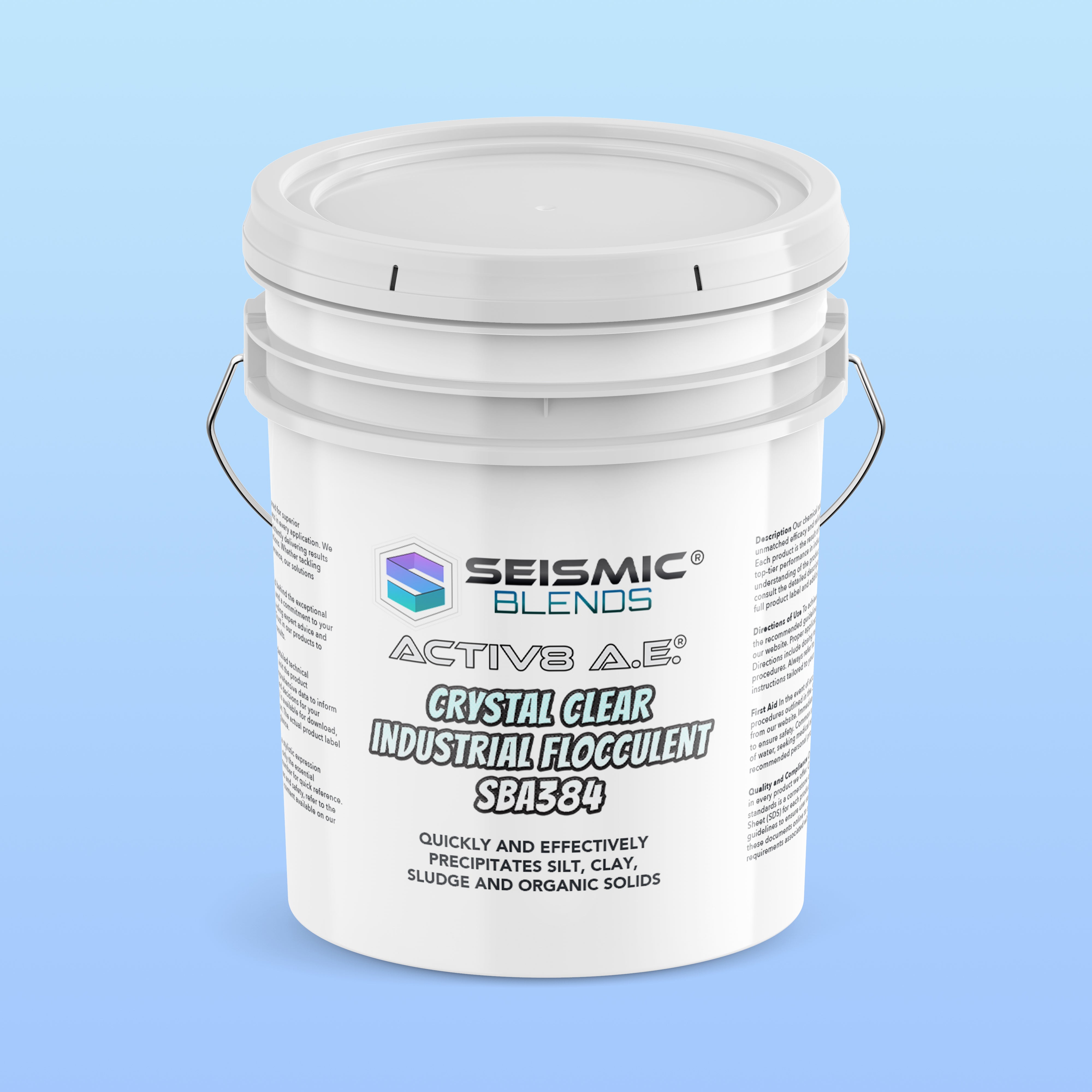
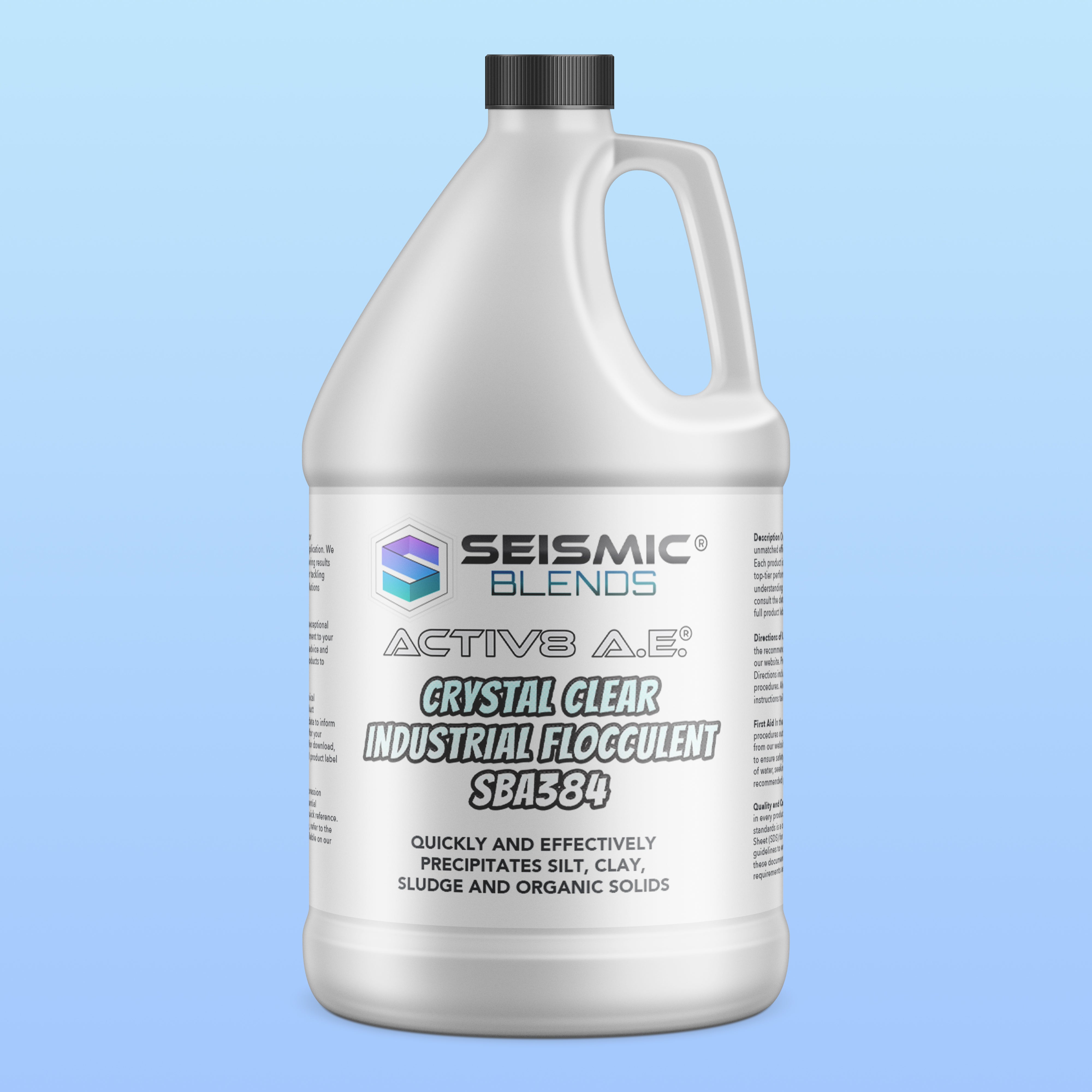
Flocculants are used to bind fine particles together, allowing them to settle or be removed more easily from the water.

How do clarification products improve water quality?

Clarification products help reduce suspended solids and turbidity, resulting in clearer water and improved system appearance.

What types of water conditions benefit from flocculation?

Flocculation is beneficial in systems experiencing cloudy water, suspended solids, or fine particulate matter that is difficult to remove.

How are flocculants and clarifiers used differently in treatment systems?

Flocculants focus on particle aggregation, while clarifiers are used to enhance overall water clarity. Product selection depends on system conditions.

Tracing Dyes & Diagnostics

Diagnostic tools used to observe water movement, identify leaks, and support system evaluation and maintenance.

What are water tracing dyes used for?

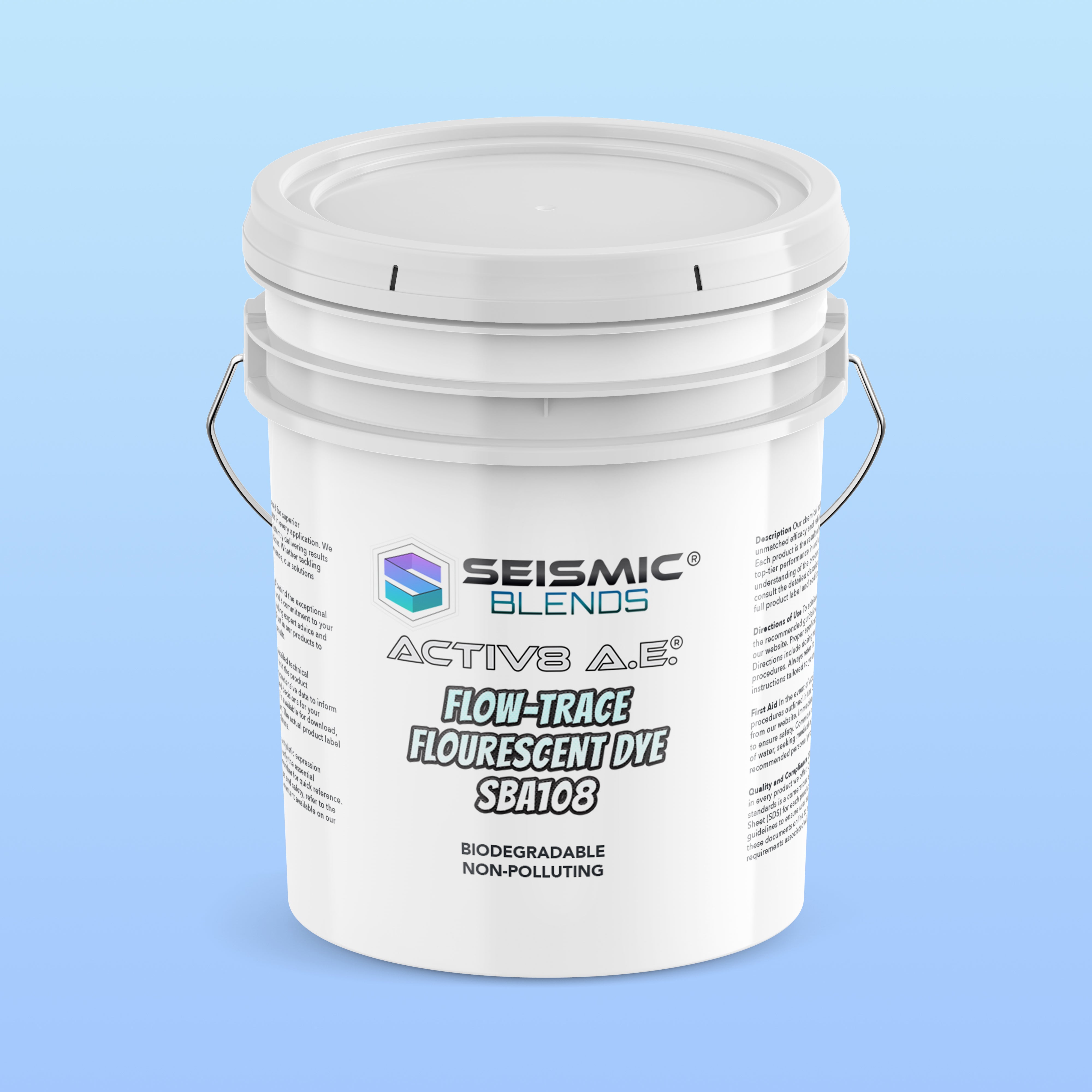
Water tracing dyes are used to visually track water flow, identify leaks, and observe movement within water systems.

How are tracing dyes used to identify leaks or flow paths?

Tracing dyes allow operators to follow water movement visually, helping locate leaks, infiltration points, or flow irregularities.

In what types of systems are tracing dyes commonly applied?

Tracing dyes are commonly used in wastewater systems, drainage systems, ponds, lagoons, and industrial water applications.

What role do diagnostic products play in water system maintenance?

Diagnostic products support system evaluation by helping operators identify issues early and monitor performance over time.

pH & Water Balance

Why maintaining proper pH balance is critical to system performance, biological activity, and overall water treatment effectiveness.

Why is pH balance important in water treatment systems?

Proper pH balance supports biological activity, system efficiency, and stable water conditions in treatment environments.

How can improper pH levels affect water performance?

Improper pH levels can reduce biological effectiveness, contribute to corrosion or scaling, and interfere with treatment processes.

What types of products are used to support pH management?

pH management products are used to help stabilize or adjust water conditions as part of a broader treatment strategy.

How does pH impact biological and enzymatic activity?

Biological and enzymatic activity performs best within certain pH ranges, and conditions outside those ranges can reduce effectiveness.

Algae & Organic Growth

Factors that contribute to algae growth and how water treatment strategies help manage organic activity in ponds and lagoons.

What conditions contribute to algae growth in water systems?

Algae growth is influenced by excess nutrients, sunlight exposure, warm temperatures, and stagnant water conditions.

How can water treatment products help manage algae issues?

Water treatment products help manage algae by supporting biological balance and addressing conditions that promote excessive growth.

What approaches are used to control organic growth in ponds and lagoons?

Organic growth is managed through biological treatment, system maintenance, and water condition management.

Why is ongoing maintenance important for algae prevention?

Regular maintenance helps prevent nutrient buildup and environmental conditions that allow algae to thrive.

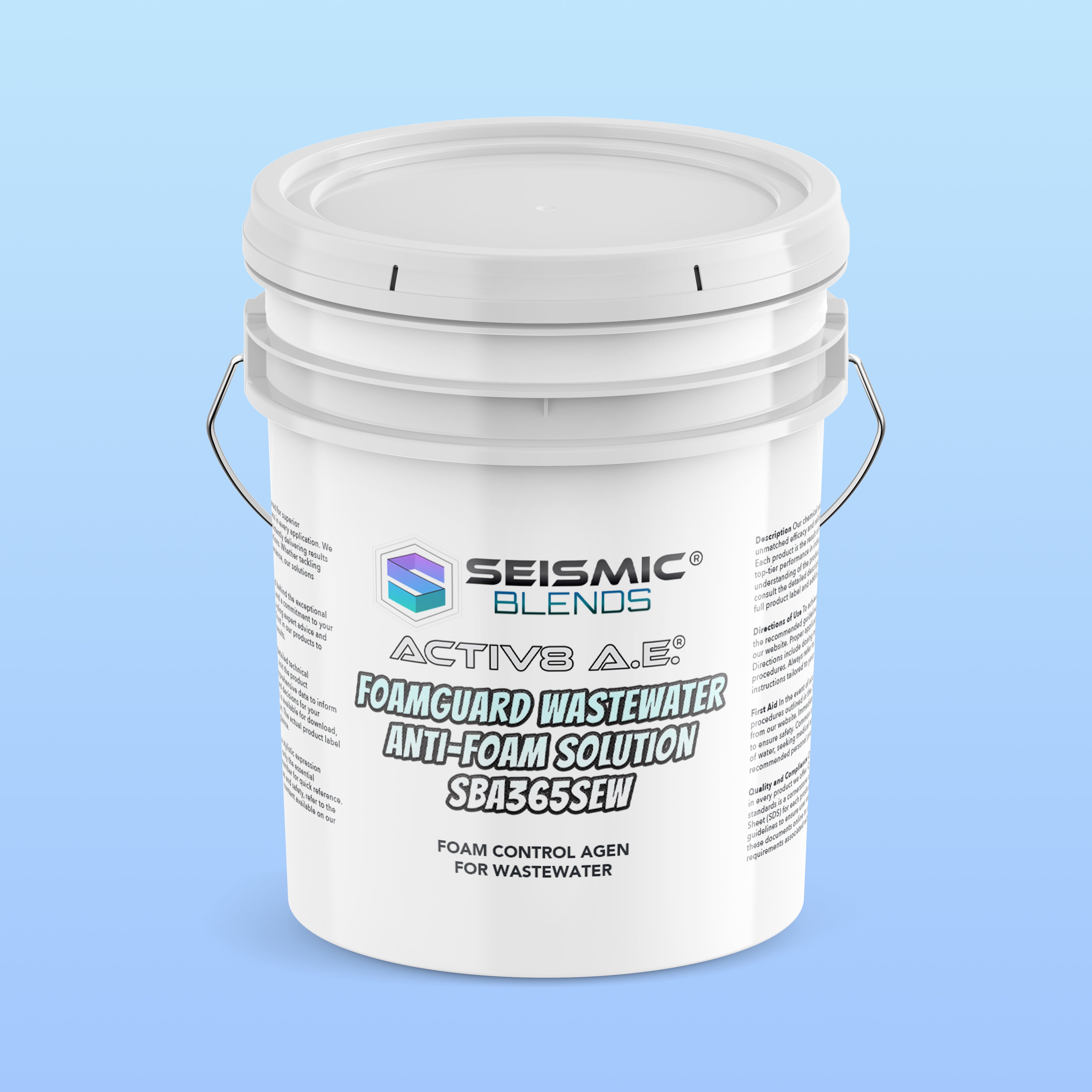
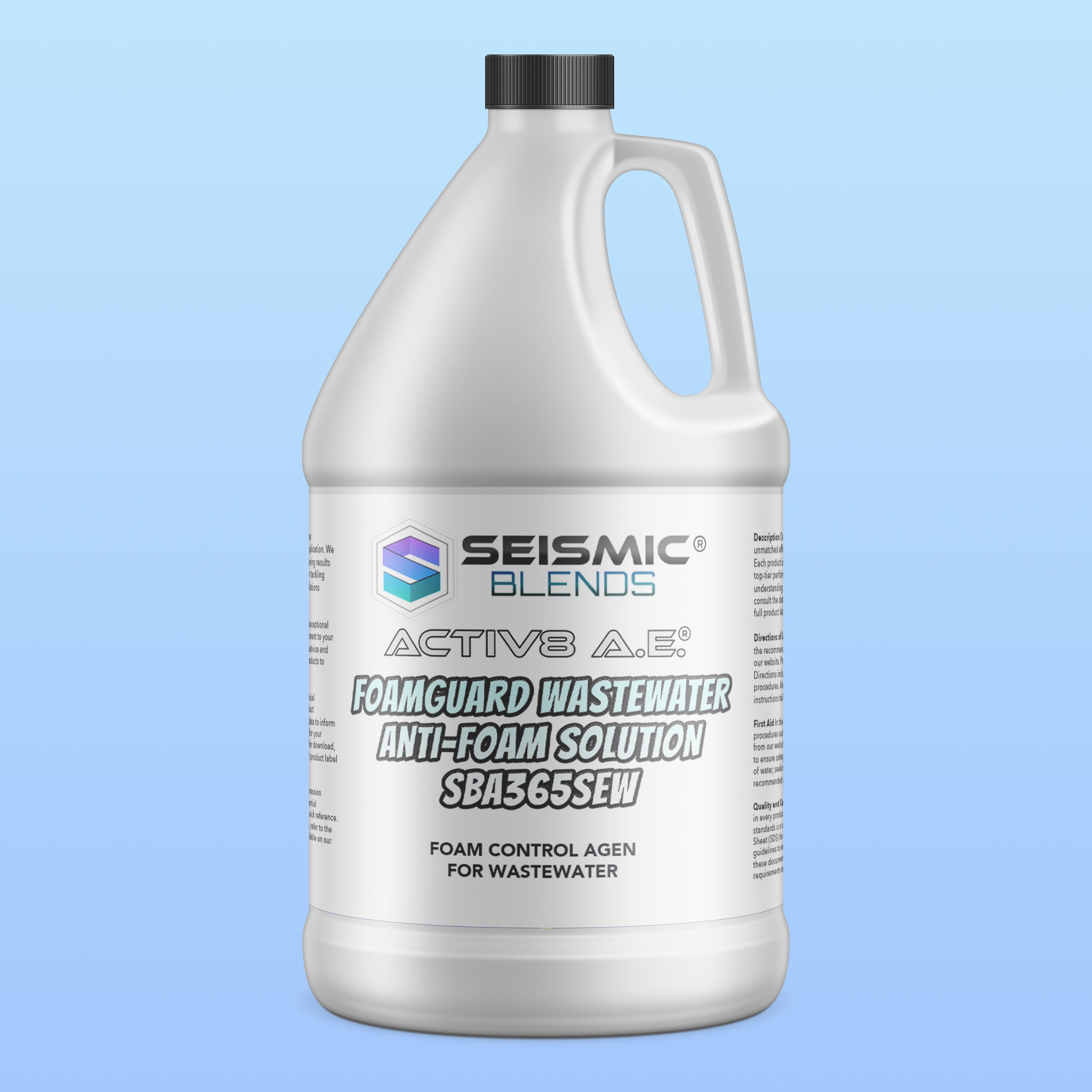
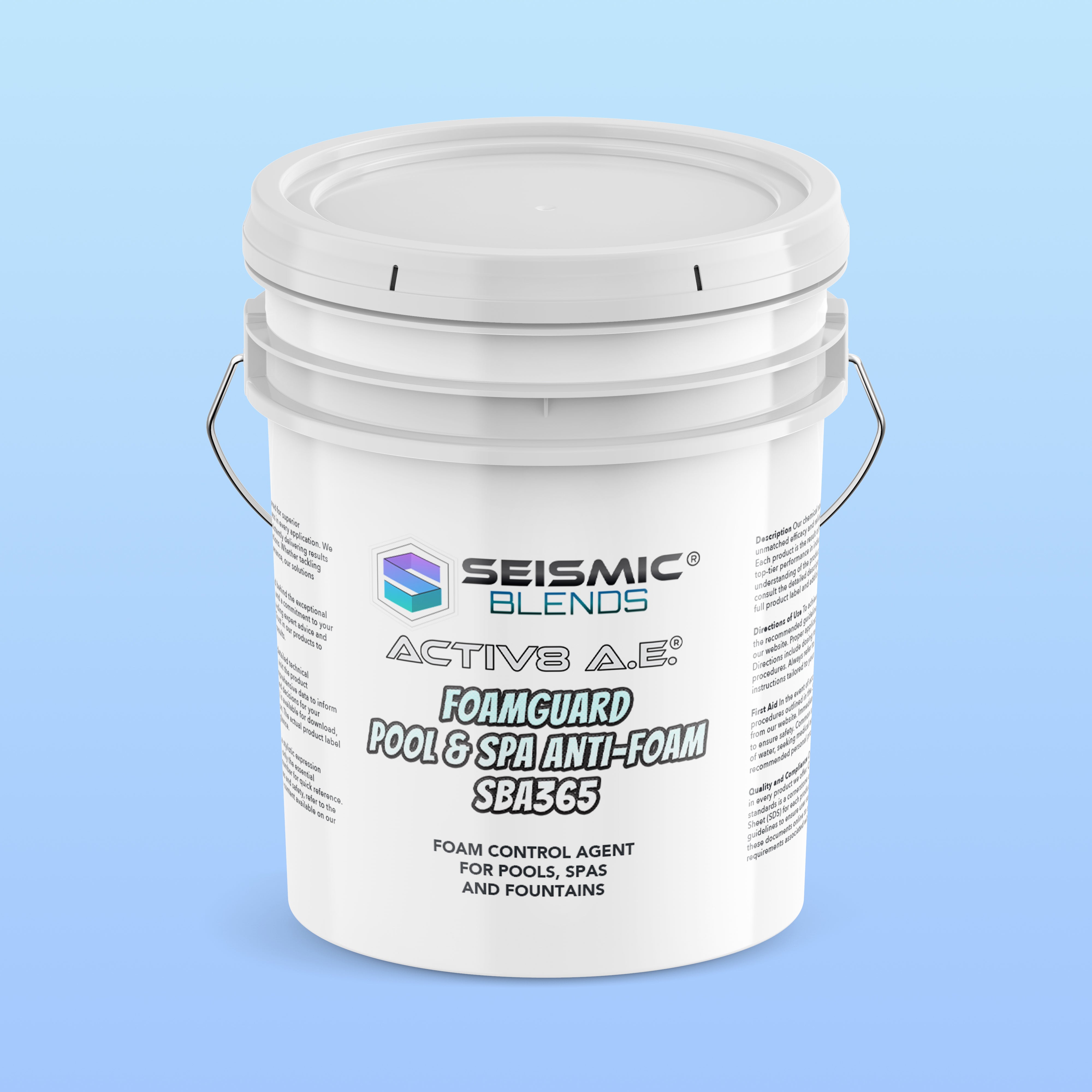
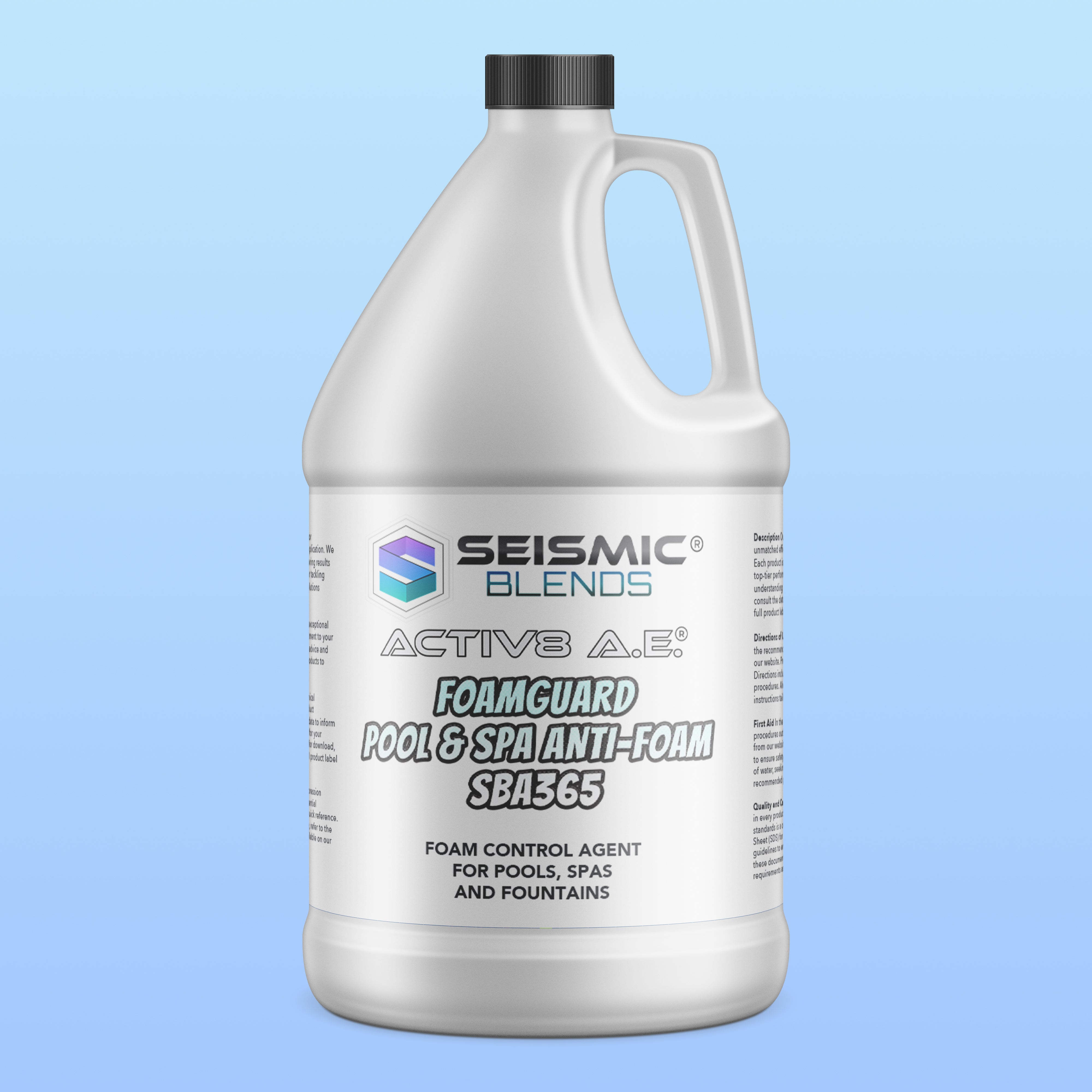
Foam Control & System Performance

Understanding foam formation in water systems and how defoaming strategies support efficient operation.

What causes foaming in water treatment systems?

Foaming can be caused by organic contamination, surfactants, biological activity, or agitation within the system.

How do defoamers support system performance?

Defoamers help control excessive foam that can interfere with visibility, monitoring, and system operation.

When are anti-foaming agents used in water treatment?

Anti-foaming agents are used when foam buildup disrupts system performance or maintenance activities.

How can excess foam impact system operation?

Excess foam can reduce efficiency, obstruct monitoring, and interfere with equipment performance.

Solids, Sediment & System Maintenance

How solids accumulation impacts water systems and how treatment strategies support long-term system efficiency.

How do solids and sediment affect water systems?

Solids and sediment can reduce system capacity, impair flow, and contribute to odor and performance issues.

What products help manage suspended or settled solids?

Products designed for solids management support aggregation, breakdown, or removal of material within the system.

How does biological treatment support solids breakdown?

Biological treatment supports natural processes that help break down organic solids over time, improving system efficiency.

Recently viewed